

Organic essentials
Haldi, jaggery and ginger jaggery: the everyday shelf, done properly
Why ground turmeric is sold in a small pack, what unrefined jaggery is and honestly is not, and a haldi doodh method that does not cook the honey you stir into it.
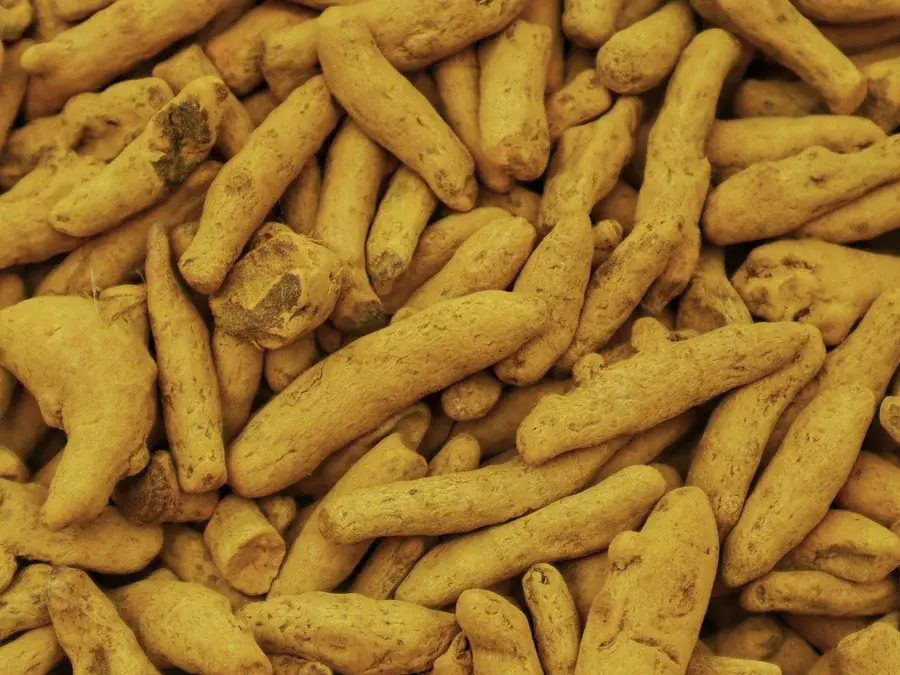
Three things that are already in most Indian kitchens, bought without much thought and used without much ceremony. They are also the three where the difference between a good version and an indifferent one is easiest to taste, and easiest to lose through bad storage.
Stone-ground haldi, and why the pack is small
Our turmeric is grown without synthetic pesticides or fertilisers, dried, and stone-ground rather than milled industrially. Stone grinding is slower and runs cooler, and turmeric is an aromatic — what you are paying for is volatile, and heat is what drives it off.
It is sold in a 100 g pack for the same reason. Ground turmeric begins losing its aroma the day it is opened, and a kilogram bought cheaply is mostly yellow dust by the time you reach the bottom of it. A small pack finished quickly is a better product than a big pack kept a year.
- Keep it in an airtight container away from light and heat. Not above the stove, however convenient that is.
- Buy the size you will actually use in a few months.
- It stains — hands, worktops, plastic spoons and light clothing. Use a metal spoon and wipe up quickly.
- Traditionally it is combined with a pinch of black pepper, which is how the two have been cooked and taken together in Indian kitchens for centuries.
Haldi doodh, without scorching the honey
Warm the milk rather than boiling it. Stir in half a teaspoon of haldi and a pinch of black pepper, and let it warm through for a minute or two. Take it off the heat, let it cool slightly, and only then stir in honey. Honey added to boiling milk is honey wasted — this is the same rule that applies to every raw honey in our range.
Jaggery, and what it honestly is
Jaggery is sugarcane juice boiled down and set. That is the whole process. White sugar goes several steps further: it is refined, filtered and bleached until nothing remains but sucrose. Jaggery keeps the molasses, and the molasses is where its colour, its mineral content and its slight bitterness come from.
Now the part most people selling jaggery leave out. It is still a sugar. It is an unrefined one with more character and more of the cane left in it, and it is a traditional replacement for white sugar in tea, in sweets and after a meal — but it should be counted in your day the same way sugar is. We would rather say that plainly than let the word natural do work it cannot do.
- Use it in place of sugar in tea, coffee, halwa and chikki.
- A small piece after a meal is the traditional habit, and it is the one most people mean when they say they eat jaggery.
- Store it dry and airtight. Jaggery pulls moisture out of the air and turns sticky, and in a humid Mumbai monsoon it will do so within days of being left open.
- If it has gone tacky, it has taken up water. It is still perfectly usable in cooking.
Ginger jaggery: a winter block
Ginger jaggery is jaggery boiled with fresh ginger before it is set, so the heat runs all the way through the block rather than sitting on the surface. It is warmer than plain jaggery but not sharp, and it is traditionally a winter thing: a small piece after dinner, or dropped into tea in place of both the sugar and the fresh ginger.
Turmeric wants a small pack and a dark cupboard. Jaggery wants a dry one. Neither wants a year on a shelf.
The three of them, and the way each is actually used.
Organic Haldi
Stone-ground organic turmeric, 100 g. Grown without synthetic pesticides or fertilisers.
- Haldi doodh
- Half a teaspoon in warm milk with a pinch of black pepper. Honey only once it has cooled a little.
- Everyday cooking
- Added to dal, curry and soup while it cooks, where it wants a little fat to carry it.
Organic Jaggery
Unrefined sugarcane jaggery, 200 g. Boiled and set, never bleached — so the molasses stays in.
- In place of sugar
- In tea, coffee, halwa or a seed chikki, where the molasses adds something white sugar cannot.
- After a meal
- A small piece at the end of dinner, which is the habit most of India means by eating jaggery.
Ginger Jaggery
Jaggery boiled with fresh ginger before setting, 200 g. A traditional winter preparation.
- Winter tea
- Dropped into tea in place of both sugar and fresh ginger.
- After dinner
- A small piece on a cold evening, which is exactly what it was made for.
Common questions
Is jaggery healthier than white sugar?
Jaggery is unrefined and keeps the molasses that refining strips out, which is where its colour, minerals and flavour come from. But it is still a sugar and should be counted in your day as one. The honest difference is in processing and flavour, not in permission to eat more of it.
Why is turmeric traditionally taken with black pepper?
It is the long-standing traditional pairing, and the two are almost always cooked or taken together in Indian kitchens — in haldi doodh, in masalas and in everyday cooking.
How should ground turmeric be stored?
In an airtight container away from light and heat. Ground turmeric loses its aroma within a few months of opening, which is why it is sold here in a 100 g pack rather than in bulk.
Why has my jaggery gone sticky?
It has drawn moisture out of the air, which jaggery does readily in a humid climate. Keep it dry and airtight. Sticky jaggery is still perfectly usable, particularly in cooking.
How do you make haldi doodh?
Warm milk rather than boiling it, stir in about half a teaspoon of turmeric and a pinch of black pepper, and let it warm through for a minute or two. Take it off the heat, let it cool slightly, and stir in honey last — honey added to boiling milk is wasted.
Is ginger jaggery spicier than plain jaggery?
Noticeably warmer, but not sharp. The ginger is boiled in during setting, so the heat is even throughout the block rather than concentrated on the surface.
A note on claims. Everything above describes how these ingredients have traditionally been used, and how we suggest using them. Beyond Herba sells food, not medicine. Nothing here is intended to diagnose, treat, cure or prevent any disease.
From the range
What this piece is about
 20% off
Organic Haldi
100 g
₹550